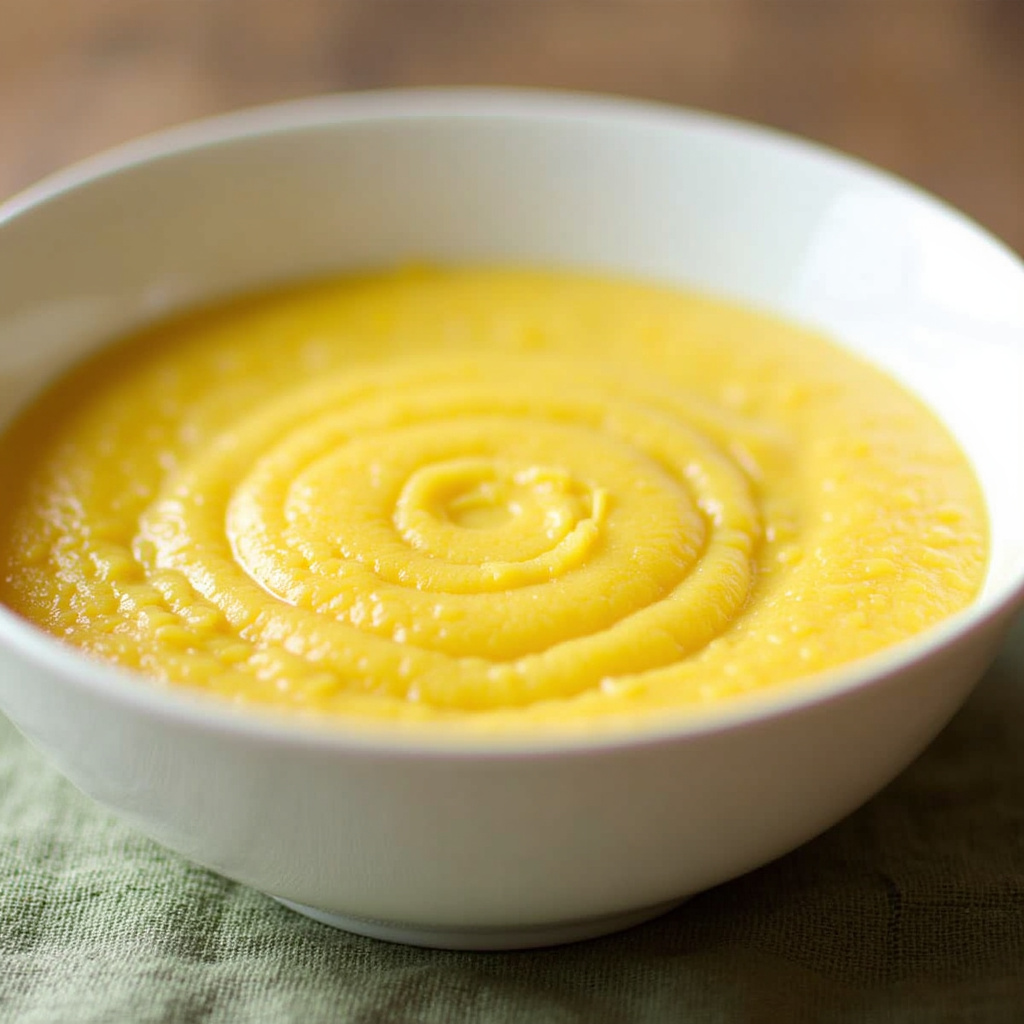
Fresh Corn Polenta: The Restaurant-Worthy Dish You Can Make At Home
Imagine this: You're at a cozy, upscale restaurant, the kind that truly understands comfort food elevated to an art form. A dish arrives, perhaps short ribs or a perfectly seared piece of fish, nestled atop a creamy, golden bed. You take a bite, and your world shifts. This isn't just any polenta; it's vibrant, sweet, and impossibly smooth, with a distinct, fresh flavor that makes you wonder, fresh corn polenta where have you been all my life?
For too long, many of us have relegated polenta to the realm of dried cornmeal, a humble staple often overshadowed by its accompaniments. But the fresh corn rendition? That's a different story entirely. It's a revelation, a culinary love story that often begins with a single, unforgettable restaurant experience. You might, like many, have initially chalked it up to inaccessible "chef's secrets" – mountains of butter, expensive cheese, and techniques only mastered in professional kitchens. The good news? That restaurant magic is entirely replicable in your own home, with surprisingly little fuss.
This article is your invitation to discover the unparalleled delight of fresh corn polenta, a dish that transforms simple, seasonal ingredients into something truly extraordinary. Prepare to be amazed by its simplicity, its elegance, and its ability to capture the very essence of summer on a plate. It’s time to bring that restaurant-worthy comfort food into your kitchen for good.
What Makes Fresh Corn Polenta So Special? Unveiling its Unique Charm
At its heart, fresh corn polenta is an ode to the bountiful harvests of summer. Unlike its traditional counterpart, which relies on dried, ground cornmeal, this version utilizes the tender, sweet kernels straight from the cob. This fundamental difference is precisely what sets it apart, creating a dish with a flavor and texture profile that is truly in a league of its own.
- Unparalleled Sweetness: When you use fresh corn, you're tapping into its natural sugars at their peak. These aren't just subtle background notes; they're front and center, creating a vibrant, sweet flavor that is both comforting and incredibly refreshing. It’s the taste of a sun-drenched summer day, captured in a creamy spoonful.
- Delicate, Creamy Texture: Traditional polenta can sometimes be rustic and coarse. Fresh corn polenta, however, is a symphony of smoothness. By grating the corn, you break down the kernels, releasing their starchy liquid and creating an incredibly silky, delicate texture that melts in your mouth. It's lighter and more ethereal than any cornmeal-based polenta you've ever tasted, often described as almost custard-like.
- Vibrant Color and Aroma: The golden hue of fresh corn translates directly into the polenta, giving it a bright, inviting appearance. And the aroma? It's pure summer, a sweet, earthy fragrance that promises deliciousness before you even take your first bite.
- Elevated Simplicity: This dish is a testament to the transformative power of high-quality, simple ingredients. With just fresh corn, a touch of butter, a splash of dairy, and perhaps some Parmigiano Reggiano, you create a harmonious balance that feels both comforting and surprisingly refined. It’s a dish that celebrates the ingredient rather than masking it.
This isn't just a side dish; it's a statement. It showcases the natural elegance of corn in a way that will undoubtedly leave you wondering, fresh corn polenta where have you been all my life?
Mastering the Art: Tips and Tricks for Homemade Perfection
The beauty of fresh corn polenta lies in its deceptive simplicity. While it delivers a truly restaurant-worthy experience, the process of making it at home is remarkably straightforward. However, a few key insights can elevate your homemade version from great to absolutely unforgettable.
Choosing Your Corn Wisely
The success of this dish hinges almost entirely on the quality of your main ingredient: the corn itself. Opt for the freshest, sweetest corn you can find. Look for husks that are green and tightly wrapped, with plump, milky kernels. The sweeter the corn, the more pronounced and delicious your polenta will be.
The Grating: Your "Elbow Grease" Moment
This is arguably the most labor-intensive part, but don't let it deter you. Using a box grater (the large holes work best) to grate the raw corn kernels directly off the cob is crucial. This process breaks down the kernels, releasing their starchy "milk" and pulp, which is what gives the polenta its incredible creaminess and delicate texture. Yes, it takes a little elbow grease, and your arms might feel it afterward, but the reward is immense. You're not just getting solids; you're extracting the very essence of the corn.
Pro Tip: To make grating easier and less messy, stand the corn cob upright in a large bowl. This catches all the kernels and juice. If grating feels too daunting, a food processor with a grating attachment or even a strong blender (pulsed, not pureed, to maintain some texture) can be used, but fresh grating often yields the most delicate result.
The Cooking Process: Gentle Heat, Constant Stirring
Once your corn is grated, the cooking is quick and simple. Unlock Summer's Sweetness: Crafting Perfect Fresh Corn Polenta by following these steps:
- Fat First: Start with a good quality butter in a sauté pan. This adds richness and helps to soften the corn.
- Gentle Sauté: Add your grated corn to the melted butter and cook gently for a few minutes. You don't want to brown it, just warm it through and start to develop its flavors.
- The Liquid: This is where you adjust for desired creaminess. Many recipes call for a combination of milk (whole milk is excellent), cream, or even a little chicken or vegetable broth. Gradually stir in your chosen liquid until you reach a luscious, pourable consistency.
- Seasoning and Finishing: Salt is essential to bring out the corn's sweetness. Freshly cracked black pepper adds a lovely bite. And for that true restaurant-quality finish, stir in a generous knob of butter and a handful of freshly grated Parmigiano Reggiano cheese at the very end. The residual heat will melt them beautifully, adding depth and luxuriousness.
Don't Overcook!
Unlike traditional polenta that benefits from long, slow cooking, fresh corn polenta cooks relatively quickly. You want it to be creamy and warm, not thick and pasty. Keep it moving in the pan and taste frequently to achieve that perfect, silken texture. It's meant to be lighter and more delicate than its cornmeal cousin.
While grating can be a workout, remember that this dish is perfect for an intimate dinner for one or two. It's simple, delicious, and deeply satisfying – a true comfort food at its core, yet elegant enough to grace any table.
Beyond the Bowl: Versatile Pairings and Culinary Adventures
One of the most remarkable aspects of fresh corn polenta is its incredible versatility. While it’s certainly capable of standing alone as a delightful meal, its creamy texture and sweet, vibrant flavor make it an exceptional canvas for a myriad of pairings. This isn't just a side dish; it's a foundation for culinary creativity.
Classic Comfort: Enjoy It On Its Own
For a quick, satisfying meal that truly highlights the corn's natural flavor, simply serve a warm bowl of fresh corn polenta with a generous sprinkle of freshly cracked black pepper and extra grated Parmigiano Reggiano. It's pure, unadulterated comfort food, perfect after a long day.
Elevated Side Dish Pairings
Think of fresh corn polenta as a sophisticated alternative to mashed potatoes or rice. It pairs beautifully with a range of proteins and vegetables:
- Hearty Meats: Recreate that initial restaurant epiphany by serving it beneath red wine braised short ribs or slow-cooked pork shoulder. Its sweetness cuts through the richness of the meat, creating a perfect balance.
- Seafood: Grilled or pan-seared scallops, shrimp, or a flaky white fish like cod or halibut find an exquisite partner in the delicate polenta.
- Chicken: Roasted or pan-fried chicken thighs or breasts, especially with a pan sauce, are wonderfully complemented by the creamy base.
- Eggs: For a delightful brunch or light dinner, top your polenta with a perfectly poached or fried egg. The runny yolk will meld with the creamy corn, creating an irresistible combination.
Vegetarian Delights and Summer Flavors
Fresh corn polenta truly shines when paired with other seasonal vegetables:
- Sautéed Greens: A simple side of garlicky sautéed spinach, kale, or Swiss chard adds a healthy, slightly bitter counterpoint to the polenta's sweetness.
- Blistered Tomatoes: As mentioned in some gourmet circles, blistered cherry tomatoes, perhaps with a touch of basil, offer a burst of acidity and freshness that complements the corn beautifully.
- Wild Mushrooms: Sautéed wild mushrooms, with their earthy umami notes, are a fantastic topping. This combination is often found in high-end restaurants for good reason.
- Roasted Vegetables: Try it with roasted asparagus, bell peppers, or zucchini for a simple, yet elegant, vegetarian meal.
- Pesto or Herbs: A drizzle of fresh pesto or a scattering of finely chopped fresh herbs like chives, basil, or parsley can brighten the dish even further.
Whether you're looking for a quick, elegant lunch, a sophisticated side to impress guests, or a comforting dinner for one, fresh corn polenta adapts effortlessly. Its versatility ensures that once you discover its magic, you'll find countless ways to incorporate it into your culinary repertoire.
The journey to discovering fresh corn polenta is often one of delightful surprise. From that first restaurant bite that left you pondering, "fresh corn polenta where have you been all my life?" to the satisfying moment you recreate its magic in your own kitchen, this dish promises a unique culinary experience. It’s a testament to the fact that some of the most profound flavors come from the simplest, freshest ingredients. Before the summer season wanes, we urge you to embrace the joy of grating that vibrant corn, stirring it into a creamy dream, and savoring every sweet, delicate spoonful. This isn't just a recipe; it's an invitation to fall in love with a true seasonal star, a restaurant-worthy masterpiece that’s surprisingly easy to make at home.
